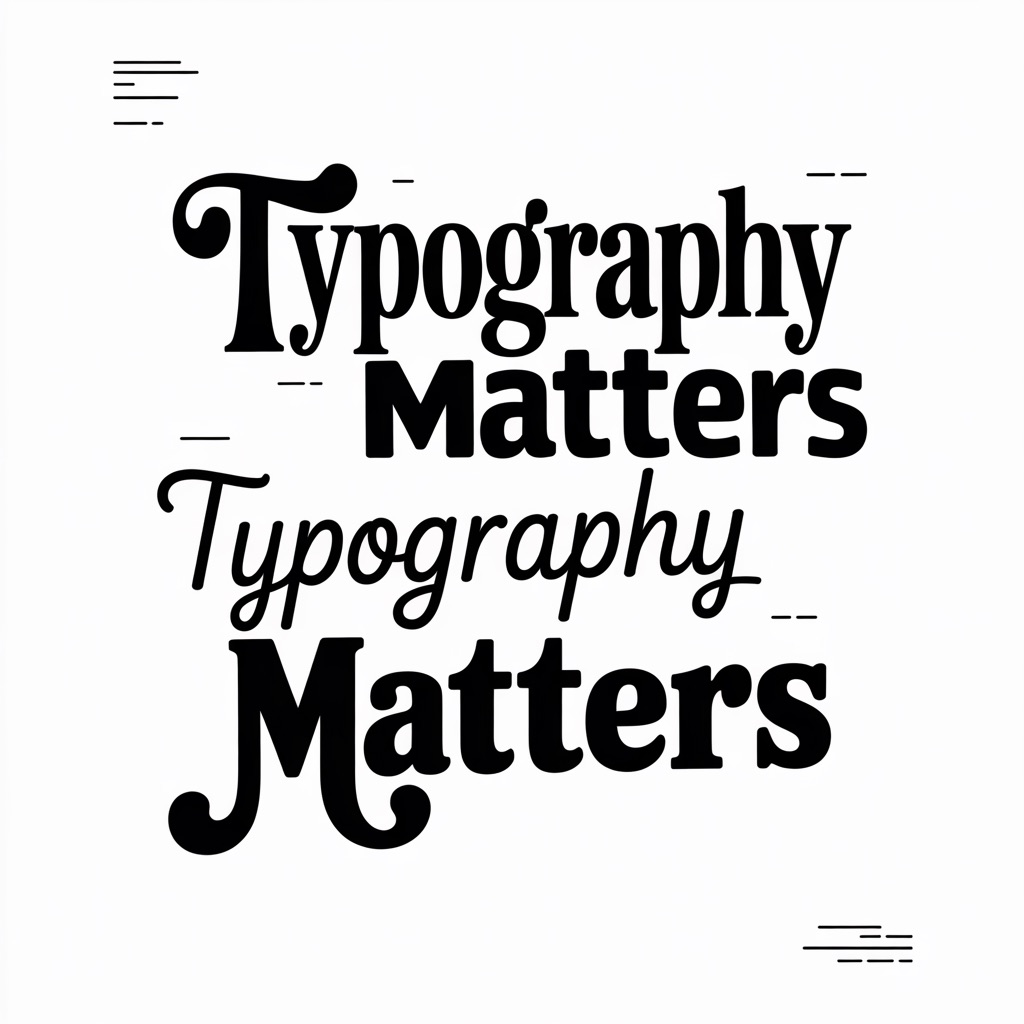
Got a font you love on one computer and want to use it on another? Whether you’re moving to a new machine or just keeping your design setup consistent, copying fonts in Windows 7, 8, or 10 is simple—but there are a few things you need to know first.
1 – Where Are Fonts Stored in Windows 7/8/10?
All installed fonts are stored in a single folder:
C:\Windows\Fonts
This is Windows’ central font directory. Any file here is available system-wide. To open it quickly, press Windows + R, type fonts, and hit Enter.
2 – Find a Font File in Windows
If you know the name of the font you want:
- Open the Fonts folder (
C:\Windows\Fonts). - Scroll or search by font name.
- Right-click the font → Open file location.
This shows you the actual .ttf (TrueType) or .otf (OpenType) file on your system.
3 – How to Copy a Font to a New PC
You have two options depending on how many fonts you want to move:
- Copy a single font
- Find the font file (see above).
- Copy it to a USB stick or cloud folder.
- On the new PC, double-click the file → click Install.
- Copy all fonts at once
- Go to
C:\Windows\Fonts. - Select all fonts (Ctrl + A) and copy them.
- Paste them into a folder on your USB stick or cloud drive.
- On the new PC, copy them back into
C:\Windows\Fonts(or select them all → right-click → Install).
- Go to
⚠️ Note: Copying every font can be overkill. Many are system fonts that already exist on the new PC. Usually, it’s easier to just copy the few you actually need.
4 – App Not Picking Up the New Font?
Sometimes your new font won’t show up right away:
- Restart the app (Word, Photoshop, etc.).
- If that fails, restart Windows.
- Check for duplicates—two fonts with the same name can confuse Windows.
5 – Are You Allowed to Copy Fonts? (Font Licensing)
Here’s the tricky part: not every font can legally be copied.
- Free fonts (like Google Fonts or Font Squirrel) are usually fine to move between personal devices.
- Commercial fonts (like those bought from Adobe, Monotype, etc.) often have strict licenses—usually tied to one user or one device.
If you’re moving to a new PC, check the font’s license terms. Sometimes you can install it on multiple devices you personally use. In a workplace, you may need extra licenses.
👉 Best practice: If you’re decommissioning the old computer, remove the font from it after installing on the new one to stay compliant.
Copying fonts between Windows PCs is easy—just grab the .ttf or .otf file and install it on the new machine. But always remember to respect licensing rules. Fonts are software too, and moving them without permission can create legal issues.